The Crucial Overview to Sprinkler Fixing: Just How It Functions and Its Advantages
Automatic sprinkler are vital for maintaining healthy landscapes. Recognizing their components and functions is important for reliable repair and maintenance. Usual issues commonly develop, bring about uneven water circulation and raised expenses. This guide offers insights into fixing and normal upkeep, guaranteeing peak performance. Understanding when to tackle fixings on your own and when to look for expert help can be challenging. Discovering these facets can cause far better end results for both budgets and yards.
Recognizing the Basics of Sprinkler Systems
Sprinkler systems are crucial components of contemporary landscape design, supplying reliable irrigation for yards and grass. These systems are composed of numerous elements, including pipelines, shutoffs, and sprinkler heads, all developed to supply water evenly throughout a designated location. The main function of a lawn sprinkler system is to automate the watering procedure, ensuring plants receive sufficient moisture without hands-on effort.
Different kinds of lawn sprinkler systems exist, such as drip watering, which delivers water straight to the plant origins, and spray systems, which disperse water over a bigger area. Each kind has its benefits, satisfying certain landscape design demands. The setup of a sprinkler system usually involves cautious planning to guarantee optimal insurance coverage and effectiveness. In addition, contemporary systems can be geared up with timers and sensors to save water and adapt to changing weather. Recognizing these principles is essential for anybody thinking about keeping a healthy and balanced, vibrant landscape.
Common Sprinkler Troubles and Their Solutions
Maintaining a well-functioning irrigation system can sometimes be tough, as different problems might arise that impact its performance. One typical trouble is uneven water circulation, commonly triggered by blocked nozzles or misaligned sprinkler heads. Regular assessment and cleansing can remedy this issue. An additional regular issue is leaks, which usually occur at valves or joints. Identifying the source quickly can avoid water waste and expensive repair services. Sprinklers that stop working to activate might indicate electrical problems, such as damaged electrical wiring or a damaged timer. Checking links and changing damaged components generally resolves this issue. Additionally, low tide stress can result in inadequate coverage, frequently stemming from blockages in the system. Addressing these clogs will recover proper function. By acknowledging these typical issues and executing their solutions, property owners can assure their automatic sprinkler run efficiently and effectively, advertising much healthier landscapes.
Tools and Materials Needed for Lawn Sprinkler Repair
A selection of necessary tools and materials are needed for effective sprinkler repair. A shovel is very important for excavating up sprinkler lines, while a wrench is required for tightening up or loosening fittings. Pliers can help in gripping and adjusting tiny components. An energy blade will certainly work for puncturing old pipes or tubing.
In addition to devices, particular products are important for repair work. PVC pipes and installations are generally utilized for below ground systems, while adaptable tubes might be required for above-ground repair services. Teflon tape is critical for sealing threaded connections to avoid leaks. In addition, substitute lawn sprinkler heads might be called for, depending upon the damages.
Having a bucket available can help handle any water that might run away throughout repair services. With the right devices and materials, people can efficiently resolve various lawn sprinkler issues, ensuring their systems function effectively.
Step-by-Step Guide to Troubleshooting Your Lawn sprinkler
Determining issues with a sprinkler system can typically be completed with a systematic strategy. One ought to visually evaluate the whole system for any kind of apparent indications of damages, such as broken pipes, clogged nozzles, or leakages. Next off, checking the water stress is critical; reduced pressure may suggest a clog or a malfunctioning shutoff
After that, it is recommended to check each lawn sprinkler head individually to determine which ones are functioning appropriately. If some heads are not working, they might need cleansing or replacement. Furthermore, checking out the timer settings guarantees my link that the system is configured appropriately for peak procedure.
Lastly, if troubles continue, evaluating the entire layout for inappropriate placement may reveal underlying issues. By adhering to these steps, a property owner can effectively fix common sprinkler issues and figure out the essential fixings.
Benefits of Regular Sprinkler Maintenance
Regular sprinkler maintenance provides significant benefits, including cost savings gradually and boosted system performance. By addressing small issues before they intensify, house owners can prevent costly repairs and water waste. Eventually, consistent maintenance guarantees that the irrigation system operates at its ideal, advertising healthier landscapes.
Expense Savings Gradually
Constant maintenance of lawn sprinklers can result in substantial expense financial savings with time. By consistently examining and servicing the system, homeowners can determine and resolve small concerns prior to they escalate into expensive repairs. This proactive technique aids prevent water waste because of leaks or breakdowns, which can inflate water costs. In addition, a well-kept automatic sprinkler operates more successfully, minimizing the total power usage associated with water delivery. Purchasing regular upkeep can extend the life expectancy of lawn sprinkler elements, minimizing the demand for constant substitutes. Inevitably, these practices can cause a much healthier landscape while giving substantial economic advantages, making routine upkeep a smart selection for any type of residential or commercial property owner.
Improved System Efficiency
Appropriate lawn sprinkler maintenance can substantially boost system efficiency, ensuring suitable water circulation across the landscape. Routine checks and modifications stop usual concerns such as stopped up nozzles and misaligned lawn sprinkler heads, which can lead to irregular watering. This not just preserves water but also advertises healthier plant growth and reduces the danger of disease brought on by over-saturation. Furthermore, keeping a constant routine for examinations enables timely detection of leakages and other breakdowns, eventually extending the life-span of the system. The result is a more efficient irrigation solution that decreases waste and enhances performance. By focusing on maintenance, residential property owners can achieve a rich, dynamic landscape while profiting from reduced water expenses and power intake.
When to Call an Expert for Lawn Sprinkler Repair Work
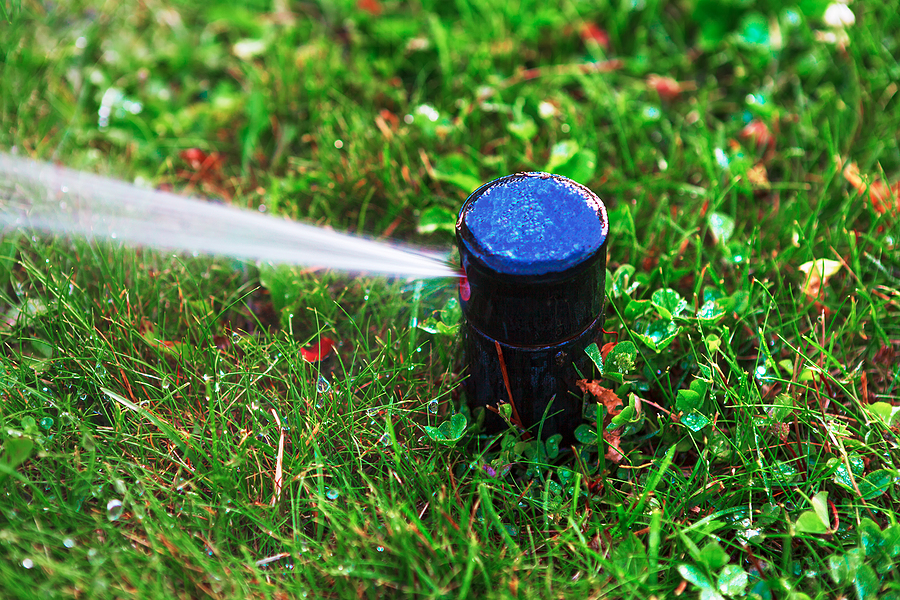 When should one consider employing the aid of an expert for lawn Going Here sprinkler repair? When encountered with consistent problems that are past their proficiency, home owners must look for experienced help. Indications such as uneven watering, continuous leakages, or damaged lawn sprinkler heads can suggest underlying problems that call for specialized knowledge and tools. Furthermore, if the system is not responding to changes or fixings attempted by the homeowner, it might be time to call a professional.
Expert professionals can identify complex issues, such as electric malfunctions or underground pipeline damage, making certain a exact and effective fixing. They can supply valuable suggestions on system upgrades and upkeep, ultimately enhancing the long-lasting efficiency of the sprinkler system. By recognizing these indicators, home owners can save time and money, avoiding additional damages and guaranteeing their watering system functions effectively
Regularly Asked Concerns
How Often Should I Change My Automatic Sprinkler Components?
Lawn sprinkler parts should commonly be replaced every 5 to one decade, relying on use and ecological elements. Normal examinations can help identify issues early, making sure optimal performance and long life of the system.
Can I Fix My Lawn Sprinkler in Wintertime?
Yes, a lawn sprinkler can be fixed in winter, however it's crucial to think about weather problems. Frozen elements may complicate repairs, so proper precautions and strategies need to be employed to stay clear of further damage.
What Are Indicators of a Failing Lawn Sprinkler Controller?
Indicators of a stopping working lawn sprinkler controller include erratic watering schedules, failing to react to hands-on commands, inconsistent area activation, and mistake messages on the display. Observing these symptoms can indicate the requirement for repair service or substitute.
Exist Eco-Friendly Lawn Sprinkler Repair Service Options Available?
Yes, eco-friendly sprinkler repair alternatives exist, including drip watering systems, rainwater harvesting, and wise controllers that enhance water use. These services advertise sustainability while properly saving and preserving landscapes water resources for environmental advantages.
Just How Do Climate Condition Affect Sprinkler Efficiency?
Weather condition conditions greatly influence lawn sprinkler efficiency; extreme heat can enhance dissipation, while heavy rain may result in oversaturation (irrigation system installation). Additionally, wind can cause unequal water distribution, affecting the total performance of the irrigation system
Various types of sprinkler systems exist, such as drip irrigation, which supplies water straight to the plant origins, and spray systems, which disperse water over a larger area. Appropriate lawn sprinkler upkeep can significantly improve system effectiveness, making sure ideal water distribution throughout the landscape. They can offer important advice on system check this upgrades and upkeep, ultimately enhancing the long-term efficiency of the sprinkler system. Yes, a lawn sprinkler system can be repaired in wintertime, but it's essential to take into account climate problems. Yes, environment-friendly sprinkler repair work choices exist, consisting of drip irrigation systems, rain harvesting, and smart controllers that optimize water use.